
What Do You Call a Baby Red Panda? Cub Facts, Growth Stages, and More
Introduction
A baby red panda is called a cub. That's the bottom line. But if you've ever seen a video of a red panda cub and wondered how something so small grows into a tree-dwelling, bamboo-munching adult, there's a lot more happening in those first few months than the name suggests.
A Baby Red Panda Is Called a Cub
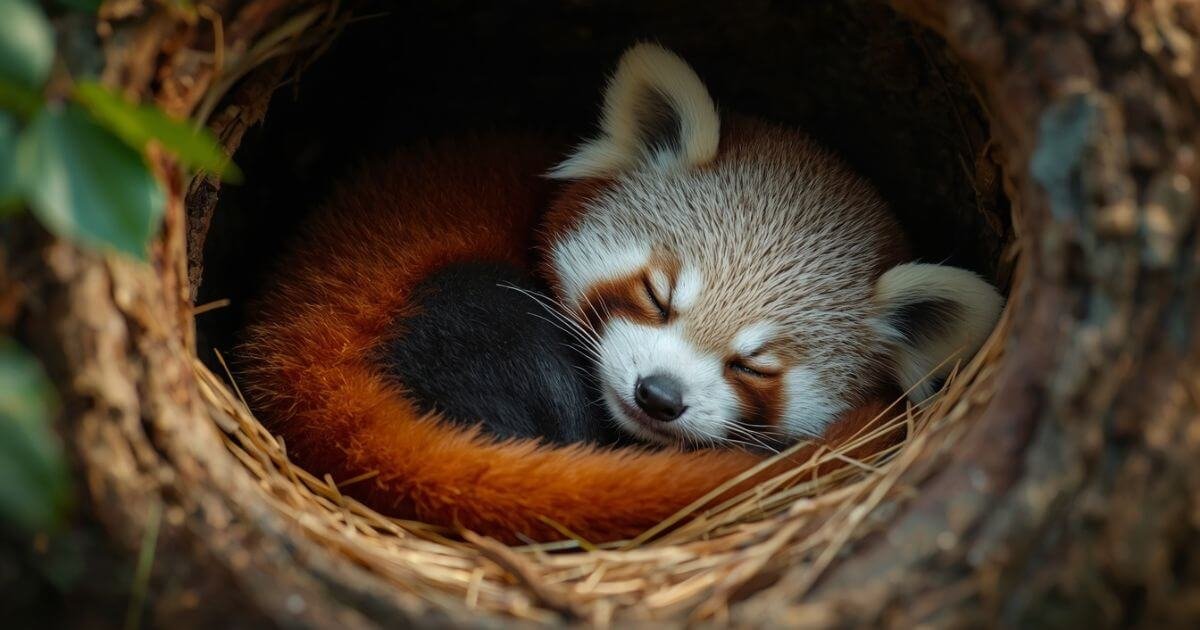
Red panda babies are called cubs, just like bear cubs, lion cubs, and giant panda cubs. It's a simple label but an apt one: a red panda cub is born helpless, blind, and entirely dependent on its mother, as are the young of other mammal families that share the word. The term "cub" is the standard, whether you're a wildlife organization, a zoo, or a researcher talking about a wild-born litter in the Himalayas or a cub hand-raised at an accredited zoo.
You may also hear the word "kit" used informally, especially by zoos announcing new litters. Both words mean the same thing. You'll find "cub" in field guides and scientific writing, but "kit" is more common in press releases and social media posts about newborns.
How Big Is a Red Panda Baby at Birth?

Newborn red panda cubs are so tiny. A cub is born weighing between 110 and 130 grams, or about four ounces, about the weight of a stick of butter. They are born with a thin coat of fur but are blind and deaf. In the first two to three weeks of life, both their eyes and ear canals are closed, so a newborn cub experiences the world almost entirely through smell and touch.
Cubs, at around two weeks of age, have doubled or even tripled their birth weight. Monitoring a litter's first weigh-in, zookeepers often observe that cubs are just under 200 grams, less than half a pound, by their twelfth or thirteenth day.
How Many Cubs in a Litter?
The usual litter size for a female red panda is one to four cubs, most commonly two. Births are once a year, usually in spring or early summer, so the cubs are old enough to begin exploring when the bamboo is at its peak of growth.
Before giving birth, the mother builds a nest, often concealed inside a hollow tree, rock crevice, or a pile of sticks and leaves. She lines it neatly, and for weeks she keeps the cubs hidden there, only leaving briefly to eat. The responsibility of raising the cubs falls solely on the mother, as the males do not assist.
When Do Baby Red Pandas Open Their Eyes?

Most cubs typically open their eyes around three weeks of age, with some variation of a few days. Until then a child is very dependent on his mother's warmth and milk. Once their eyes and ears open, cubs become much more active in the den, but they will not venture outside for some time.
Red Panda Cub Development: A Rough Timeline
| Stage | Development |
|---|---|
| Birth | Blind, deaf, 110-130 g, covered with fine fur |
| 2-3 weeks | Opens eyes and ears |
| ~90 days | Cub leaves den for the first time, begins to follow mom outside |
| 13-22 weeks | Weaning period; the cub gradually switches from milk to bamboo and other solids |
| 18-20 months | Becomes sexually mature |
That 90-day mark is a game-changer. The den is a cub's whole world until then. Then the cub starts to climb, testing its balance and learning the movements it will rely on for the rest of its life in the trees.
Do Red Panda Cubs Nurse Long?
Yes, and longer than you would think for such a little animal. The cubs nurse for around 13 to 22 weeks, slowly beginning to eat small amounts of bamboo and other solid foods toward the end of this time. This slow transition is important because a red panda's digestive system isn't designed to process tough bamboo efficiently, so the cubs need time to adjust before the bamboo becomes the bulk of their diet as adults.
Giant Panda Cubs vs. Red Panda Cubs: What's the Difference?

Red and giant pandas share part of a name, but they're not closely related, and their cubs develop quite differently.
| Trait | Red Panda Cub | Giant Panda Cub |
|---|---|---|
| Family | Ailuridae (sole member) | Ursidae (bears) |
| Birth weight | ~110-130 g | ~90-130 g |
| Litter size | 1-4 cubs (twins common) | Usually 1-2 cubs |
| Eyes open | ~3 weeks | 6-8 weeks |
| Time in den | ~90 days | ~6-8 months |
| Adult size | ~10 lbs | 200+ lbs |
Red pandas are genetically unique in their family and more closely related to weasels and raccoons than to bears.
Do Zoo Cubs Get Their Own Names?
However, when cubs reach an age where they can meet the public, zoos almost always name individual cubs beyond the general term "cub." This is not a biological or taxonomic label but a tool to help visitors connect with a particular animal. Some real-life examples:
- The San Diego Zoo announced the naming of its first red panda cub in nearly 20 years, Pavitra, around International Red Panda Day. Pavitra means "sacred" in Nepali.
- Oregon Zoo's cub has been named Pabu, a name inspired by a red panda character in an animated series.
- At six months old the Smithsonian's National Zoo named its cub Kuna.
These names do not supplant "cub" as a species-wide term. These are just tracking and public engagement nicknames, like a shelter might name individual puppies, but the species is still "puppy."
Are Red Panda Cubs in Danger?

Listed as endangered, red pandas are thought to number less than 10,000 in the wild, living in the mountain ranges of the Himalayas and southwest China. The biggest threats are loss of habitat, deforestation and fragmentation of forest corridors. Every successful birth, especially in accredited breeding programs tied to Species Survival Plans, matters for keeping the species' genetic diversity intact.
This phenomenon is part of the reason why zoo births of cubs get so much public attention. Even one litter, even just twins, is a major contribution to a dwindling world population.
Support red panda conservation and learn more about these endangered animals.
Frequently Asked Questions
The Bottom Line
A baby red panda is called a cub, but that one word covers a surprisingly detailed couple of months of development: a blind, four-ounce newborn that can't hear; then its eyes opening at three weeks; a first venture outside the den around 90 days; and full independence from milk by around five months. It's a slow, tentative beginning for an animal that will spend the vast majority of its life balancing in the trees. With fewer than 10,000 red pandas left in the wild, every cub born, whether in a mountain forest or an accredited zoo, represents a small but real step for the species' future.
Discover More Animals
Explore thousands of animal species with our free online random animal generator tool.
RANDOM ANIMAL GENERATOR