Hybrid Macaw Species: Complete Guide to 7 Popular Macaw Hybrids (2026)
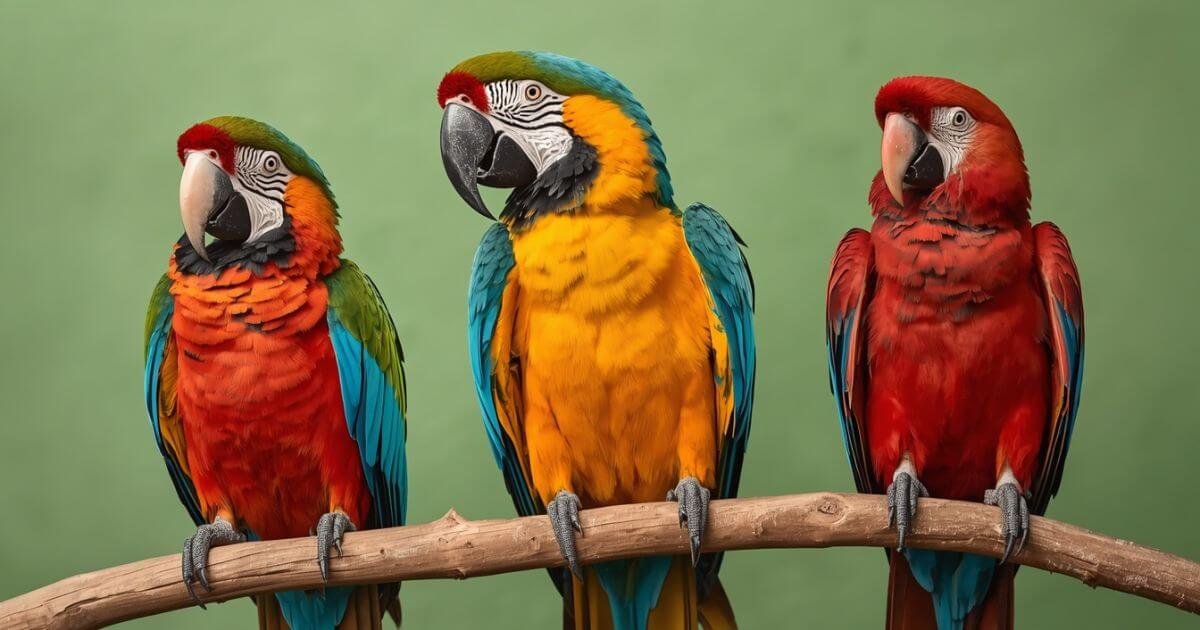
Colorful hybrid macaws: Harlequin, Catalina, and Camelot perched on a branch

Hybrid Macaw Species: Complete Guide to 7 Popular Macaw Hybrids

Introduction

A hybrid macaw is unlike any parrot you have seen before. It combines the vibrant colors of two different macaw species into one stunning bird.

Thank you for reading this post, don't forget to subscribe!

But hybrids are controversial. Some breeders celebrate their unique beauty. Others argue they dilute pure species lines.

This guide covers everything you need to know – from the most popular hybrids like Harlequin and Catalina to pricing, temperament, and where to find them in the USA.

What Is a Hybrid Macaw?

A hybrid macaw is the offspring of two different macaw species bred together in captivity. These crosses do not occur naturally in the wild because macaw species typically occupy different geographic ranges.

First-generation hybrids (called F1) have two pure species parents. Multi-generation hybrids have hybrid parents.

Why it matters: First-generation hybrids often exhibit "hybrid vigor" – increased health and fertility. Multi-generation hybrids can have unpredictable traits and health outcomes.

7 Most Popular Hybrid Macaw Species

Here are the most common and sought-after hybrid macaw crosses you will find from USA breeders.

1. Harlequin Macaw (Blue and Gold x Green-winged)

The Harlequin is one of the largest and most popular hybrids. It combines the Blue and Gold's golden chest with the Green-winged's deep red body.

Appearance: Brilliant red-orange chest, emerald green and blue wing patches, black beak. No two Harlequins look exactly alike.

Temperament: Affectionate, playful, intelligent. Can be loud when seeking attention.

Size: 34–36 inches, 1,200–1,500 grams

Price: $2,500–4,000

2. Catalina Macaw (Blue and Gold x Scarlet)

The Catalina is another favorite. It often shows a bright orange chest – a color not found in either parent species.

Appearance: Orange-gold chest, green and blue wing feathers, long red tail.

Temperament: Social, vocal, excels at talking. Needs daily interaction.

Size: 30–34 inches, 900–1,200 grams

Price: $2,000–3,500

3. Camelot Macaw (Catalina x Scarlet)

The Camelot is a second-generation hybrid – a Catalina bred back to a Scarlet. This creates even more red coloration.

Appearance: Deep red body, orange and gold accents, blue wings. Stunning color saturation.

Temperament: Bold, confident, sometimes stubborn. Best for experienced owners.

Size: 30–33 inches, 900–1,100 grams

Price: $3,000–4,500

4. Shamrock Macaw (Buffon's x Scarlet)

The Shamrock is rarer and highly sought after. It combines the massive size of the Buffon's (Great Green) with the Scarlet's red.

Appearance: Green body with red shoulders and chest, blue flight feathers.

Temperament: Gentle giant, calm, less noisy than other hybrids.

Size: 33–35 inches, 1,100–1,400 grams

Price: $2,000–3,500

5. Miligold Macaw (Military x Blue and Gold)

The Miligold is a striking cross between the Military Macaw and the Blue and Gold.

Appearance: Deep green body, bright yellow chest, blue wing tips, black facial lines.

Temperament: Energetic, curious, good family bird. Less prone to feather picking.

Size: 27–30 inches, 800–1,000 grams

Price: $1,500–2,500 (most affordable hybrid)

6. Jubilee Macaw (Harlequin x Green-winged)

The Jubilee is a rare second-generation hybrid – a Harlequin bred back to a Green-winged. It produces deep ruby red coloring.

Appearance: Rich red body, orange and yellow accents, massive beak.

Temperament: Sweet, cuddly, quieter than average for a macaw.

Size: 34–36 inches, 1,200–1,500 grams

Price: $3,500–5,000 (rarest hybrid)

7. Calico Macaw (Multi-generation Hybrid)

Calico is a general term for multi-generation hybrid macaws with unpredictable color patterns. Each bird is unique.

Appearance: Unpredictable – can show red, orange, yellow, green, blue, and purple tones.

Temperament: Varies widely. Ask the breeder about parent temperaments.

Size: 28–35 inches, 800–1,400 grams

Price: $1,500–5,000 (depends on colors and generation)

Harlequin macaw with red-orange chest next to Catalina macaw with orange-gold chest

Hybrid Macaw Comparison Table

Hybrid NameParent 1Parent 2Primary ColorsSizeTemperamentPrice
HarlequinBlue & GoldGreen-wingedRed-orange, green, blue34-36"Affectionate, playful$2,500-4,000
CatalinaBlue & GoldScarletOrange-gold, blue, red30-34"Social, vocal, talker$2,000-3,500
CamelotCatalinaScarletDeep red, orange, blue30-33"Bold, confident$3,000-4,500
ShamrockBuffon'sScarletGreen, red shoulders33-35"Gentle, calm$2,000-3,500
MiligoldMilitaryBlue & GoldGreen, yellow chest27-30"Energetic, curious$1,500-2,500
JubileeHarlequinGreen-wingedRuby red, orange34-36"Sweet, cuddly$3,500-5,000
CalicoVariousVariousUnpredictable28-35"Variable$1,500-5,000

Size, Lifespan, and Health Considerations

Size range: Hybrid macaws typically range from 27 to 36 inches in length. Weight varies from 800 grams (Miligold) to 1,500 grams (Harlequin, Jubilee).

Lifespan: 35–60 years. Large hybrids (Harlequin, Jubilee) live toward the longer end. Proper nutrition and veterinary care are essential.

Common health issues:

  • Feather picking (behavioral, often from boredom)
  • Proventricular Dilatation Disease (PDD)
  • Psittacosis (bacterial infection)
  • Obesity (especially in less active hybrids)

Expert note: Hybrid macaws are generally as healthy as pure species. However, some breeders warn against breeding second-generation hybrids back to second-generation hybrids, which can amplify genetic weaknesses. (Source: Avian Veterinarian Consensus, 2024)

Temperament and Personality by Hybrid

Most affectionate: Harlequin, Jubilee – known for cuddly, sweet dispositions.

Best talkers: Catalina – often learns 20+ words and phrases.

Best for beginners (among hybrids): Miligold – slightly smaller, less intimidating, energetic but manageable.

Most challenging: Camelot – bold, stubborn, needs confident handling.

Quietest: Shamrock – still loud (it is a macaw), but less prone to screaming fits.

Most unpredictable: Calico – multi-generation hybrids vary widely.

⚠️ Warning: All macaws are loud. Do not get a hybrid macaw if you live in an apartment or have noise-sensitive neighbors. Their calls can reach 105 decibels – as loud as a jet engine at takeoff.

Camelot macaw showing deep red body and blue wings

Pros and Cons of Hybrid Macaws

ProsCons
Stunning, unique color combinationsControversial among pure species purists
Often more affordable than pure speciesUnpredictable traits (color, size, temperament)
Can combine best traits of both parentsNot recognized by avian organizations
Captive-bred only (no wild capture)Shorter track record for long-term health
Some hybrids are more adaptableMay be harder to rehome if needed
First-generation hybrids show hybrid vigorBreeding ethics debated

Decision Framework: Which Hybrid Is Right for You?

Step 1: Consider your experience level

  • First-time macaw owner: Miligold or Harlequin (generally forgiving temperaments)
  • Experienced parrot owner: Camelot or Calico (more challenging)
  • Limited space (noise constraints): None – all macaws are loud

Step 2: Assess your time commitment

  • 5+ hours daily: Any hybrid will thrive
  • 2–4 hours daily: Harlequin, Shamrock (less demanding)
  • Less than 2 hours daily: Do not get a macaw – consider a smaller parrot

Step 3: Decide on appearance priority

  • Want rainbow colors: Catalina, Camelot
  • Want red dominance: Jubilee, Camelot
  • Want green dominance: Shamrock, Miligold
  • Want unique, one-of-a-kind: Calico

Step 4: Budget realistically

  • Initial purchase: $1,500–5,000
  • Annual care: $600–1,200 (food, toys, vet checkups)
  • Cage and setup: $500–1,500 one-time

Where to Find Hybrid Macaws in the USA

Top States for Hybrid Macaw Breeders: Florida, California, Texas, Illinois, and New York have the highest concentrations of macaw breeders.

National Breeders (USA):

Breeder/MarketplaceLocationHybrids OfferedShipping
Birds Now (Marketplace)NationwideAll hybridsVaries by seller
Parrot StarsIllinoisHarlequin, Catalina, MiligoldYes
The Animal StoreIllinoisHarlequin, CatalinaNo (pickup only)
Florida Parrot RescueFloridaOccasionally (adoption)No
Omar's Exotic BirdsCaliforniaAll major hybridsYes (limited)

How to Find a Breeder Near You: Search these phrases on Google: "Hybrid macaw breeder near me," "Macaw hybrids for sale in [your state]," "Parrot breeder near me."

Local tip: Search "parrot breeder near me" on Google Maps. Call ahead to ask if they carry hybrid macaws.

Red Flags to Avoid (Checklist):

  • Breeders who cannot show you the parent birds
  • Prices significantly below market ($800 for a Harlequin – too good to be true)
  • Birds under 12 weeks old (should be fully weaned)
  • Breeders who do not ask about your experience level
  • Dirty cages or sick-looking birds
  • No health guarantee or vet records

Green flags to look for: AFA membership, shows parent birds on-site, asks you questions, provides written health guarantee, allows visit before purchase.

Miligold macaw with deep green body and bright yellow chest

Pricing: How Much Do Hybrid Macaws Cost?

Purchase Price by Hybrid:

HybridPrice Range (USD)Notes
Miligold$1,500–2,500Most affordable hybrid
Shamrock$2,000–3,500Rarer, harder to find
Catalina$2,000–3,500Popular, widely available
Harlequin$2,500–4,000Most popular large hybrid
Camelot$3,000–4,500Second-generation, sought after
Jubilee$3,500–5,000Rare, deep red coloration
Calico$1,500–5,000Depends on generation and colors

Annual Ongoing Costs:

  • Food (pellets, nuts, produce): $200–400
  • Toys (hybrids are destructive): $200–400
  • Veterinary care (annual exam): $150–300+
  • Total annual: $550–1,100+

First-year total (including bird, cage, and annual costs): $2,450–$7,600

Common Mistakes When Buying Hybrid Macaws

MistakeWhy It Is WrongCorrect Approach
Buying on impulseMacaws live 50+ yearsResearch for 6+ months first
Choosing by color aloneTemperament matters moreMeet the parent birds
Underestimating noiseCan cause neighbor complaintsVisit a breeder to hear them
Skipping vet checkHidden health issuesAAV-certified well-bird exam
Buying unweaned babyDangerous for novice ownersOnly buy fully weaned (12+ weeks)
Not asking about lineageInbreeding risksRequest parentage documentation
Buying sight unseenRisk of scam or sick birdVisit breeder in person

Ethical Considerations and Controversy

Arguments for hybrids: Captive-bred only, hybrid vigor, unique beauty, can reduce demand for wild-caught pure species.

Arguments against hybrids: Dilutes pure species gene pools, some breeders prioritize profit, second-generation health issues, not recognized by AFA.

What ethical breeders do: Breed only first-generation hybrids, never breed hybrid to hybrid, provide full parentage documentation, prioritize health over color.

Questions to ask a breeder: "Are both parents pure species? Is this first-generation or multi-generation? Can I see the parent birds? Do you breed hybrid to hybrid?"

Expert opinion: "First-generation hybrids with pure species parents are ethically defensible. Breeding hybrid to hybrid creates genetic uncertainty and should be avoided." – Avian Breeder Association Guidelines (2025)

Caring for a Hybrid Macaw

Cage Requirements:

  • Small (Miligold): 36"L x 24"W x 60"H, 1" bar spacing
  • Medium (Catalina, Camelot): 40"L x 30"W x 66"H, 1" bar spacing
  • Large (Harlequin, Jubilee): 48"L x 36"W x 72"H, 1–1.25" bar spacing

Material: Powder-coated steel or stainless steel. Avoid cheap painted cages (toxic).

Diet: 60-70% high-quality pellets (Harrison's, Roudybush, TOPS), 20-30% fresh vegetables, 5-10% nuts and seeds, 5% fruit.

Toys and Enrichment: Replace toys every 4–8 weeks, rotate 3–5 toys weekly, provide foraging opportunities, minimum 2–3 hours out-of-cage time daily.

Veterinary Care: Annual well-bird exam with an AAV-certified avian vet, baseline blood work every 2–3 years, psittacosis testing annually.

Find an avian vet: Search "avian vet near me" on Google Maps or visit the Association of Avian Veterinarians (AAV) directory.

Jubilee macaw with rich ruby red body and orange accents

Frequently Asked Questions

1. What is a hybrid macaw?
A hybrid macaw is the offspring of two different macaw species bred together in captivity, such as a Blue and Gold crossed with a Scarlet Macaw. They exist only in captivity.
2. Are hybrid macaws fertile?
Yes, first-generation hybrids are often fertile. However, breeding hybrid to hybrid (second-generation) is controversial and can produce unpredictable genetic results.
3. How long do hybrid macaws live?
Hybrid macaws live 35–60 years depending on the size of the parent species. Larger hybrids (Harlequin, Jubilee) tend to live longer.
4. What is the calmest hybrid macaw?
The Shamrock macaw (Buffon's x Scarlet) is known for a calmer, gentler disposition. The Jubilee is also described as sweet and cuddly.
5. What is the rarest hybrid macaw?
The Shamrock and Jubilee are among the rarest hybrids due to specific parent pairings. Multi-generation Calico macaws with unique colors are also rare.
6. Do hybrid macaws talk?
Yes. Catalina macaws are particularly good talkers, often learning 20+ words and phrases. Harlequins and Camelots can also learn to talk with consistent training.
7. Can hybrid macaws breed with other hybrids?
Yes, but it is controversial. Second-generation hybrids (hybrid x hybrid) can have unpredictable health and temperament outcomes. Ethical breeders avoid this practice.
8. Are hybrid macaws more aggressive than pure macaws?
Not necessarily. Temperament varies by individual bird and parent species. Harlequins are known for being affectionate; Camelots can be more stubborn. Always meet the parent birds.
9. What cage size do hybrid macaws need?
Small hybrids (Miligold) need 36"L x 24"W x 60"H minimum. Large hybrids (Harlequin, Jubilee) need 48"L x 36"W x 72"H minimum. Bar spacing should be 1–1.25 inches.
10. Do hybrid macaws need special diets?
No. They eat the same diet as pure macaws: 60-70% high-quality pellets, 20-30% fresh vegetables, and limited nuts and fruit. Avoid avocado, chocolate, caffeine, and salty foods.
11. Are hybrid macaws legal in the USA?
Yes. Hybrid macaws are legal to own in all US states because they are captive-bred. No permit is required. However, pure parent species are protected under CITES.
12. How much does a hybrid macaw cost per year?
Annual costs range from $550 to $1,100+ including food ($200-400), toys ($200-400), and veterinary care ($150-300). First-year costs are higher due to cage and setup.

Conclusion

A hybrid macaw offers stunning beauty and unique personality – but it is a lifelong commitment.

The three rules to remember:

  • First-generation hybrids (pure species parents) are healthier and more predictable than multi-generation hybrids.
  • Match the hybrid to your experience level. Miligold for beginners, Camelot for experts.
  • Budget for more than the purchase price. Annual care costs $600–1,200, and they live 35–60 years.

Your action steps today:

  • Research for at least 6 months before buying. Visit breeders to hear noise levels and meet parent birds.
  • Find a breeder near you. Search "hybrid macaw breeder near me" or "parrot breeder [your state]" on Google Maps.
  • Budget realistically. Save for the bird ($1,500–5,000), cage ($500–1,500), and first year of care ($600–1,200).
  • Locate an AAV-certified avian vet before bringing your bird home. Search "avian vet near me."

One line to remember: A hybrid macaw is a lifetime companion – choose wisely, budget fully, and commit completely.